
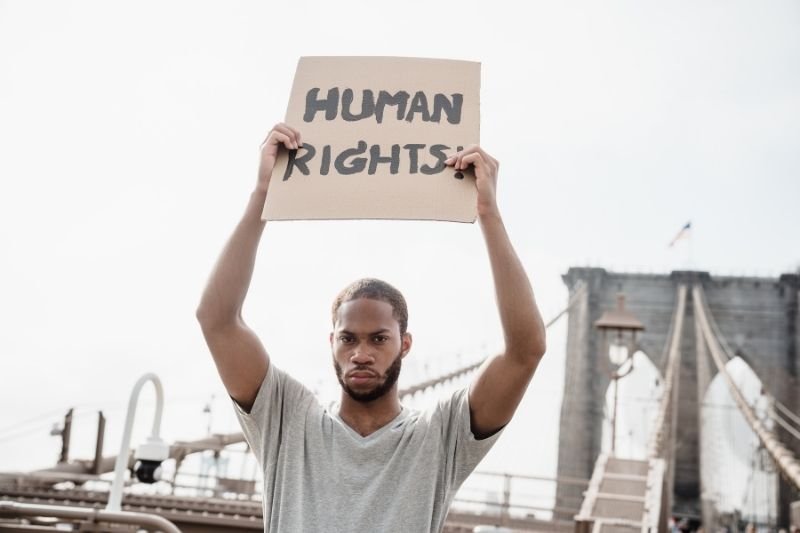
Human rights shape the foundation of dignity and justice for every person. Social work stands at the crucial crossroads where these rights meet everyday lives, advocating for those whose voices are often unheard. By promoting fairness and protecting freedoms, social workers help bridge gaps caused by inequality and discrimination. This relationship between human rights and social work is essential for fostering communities where respect, empowerment, and inclusion prevail. Understanding how social work engages with human rights reveals both its challenges and its powerful potential to create lasting social change.
Defining Human Rights
Human rights are basic freedoms and protections every person is entitled to, regardless of race, gender, nationality, or status. These rights include the right to life, freedom of speech, education, and equality before the law. They set the minimum standards for how individuals should be treated in society.
Understanding human rights helps social workers identify injustices and advocate effectively. They provide a clear framework for assessing social issues and guiding interventions. Human rights are universal, inalienable, and interdependent, meaning they cannot be taken away and must be upheld together. This clarity makes them essential tools in social work practice.
The Role of Social Work in Protecting Human Rights
Social work directly promotes and defends human rights by empowering individuals and communities facing oppression. Social workers identify violations, provide support, and advocate for policies that protect vulnerable populations. Their role goes beyond assistance—they act as agents of social justice and systemic change.
Social workers also educate clients about their rights and help them access resources like healthcare, education, and legal aid. They work within institutions and communities to challenge discrimination and promote equality. By combining individual care with broader advocacy, social work bridges personal needs and human rights protections, making rights practical and enforceable in everyday life.
Human Rights Frameworks Used in Social Work
#1. Universal Declaration of Human Rights (UDHR)
The UDHR lays the foundation for global human rights standards. It declares fundamental rights like equality, freedom, and security for all individuals. Social workers use the UDHR as a guiding document to ensure respect for basic human dignity. This framework helps them advocate for fair treatment and challenge abuses. The UDHR influences national laws and policies, providing a universal benchmark. Social workers rely on it to frame their interventions and hold governments accountable. Understanding its principles equips social workers to protect clients’ rights effectively and promote justice on a broad scale.
#2. International Covenant on Civil and Political Rights (ICCPR)
The ICCPR protects civil and political freedoms, including freedom of speech, assembly, and fair trial rights. Social workers use the ICCPR to safeguard clients’ participation in political and social processes. It ensures protection against torture, arbitrary detention, and discrimination. This covenant strengthens advocacy efforts for marginalized groups facing political repression. Social workers rely on it to promote legal protections and challenge violations. The ICCPR empowers social workers to defend not only individual rights but also the democratic values essential for social inclusion and equality.
#3. International Covenant on Economic, Social and Cultural Rights (ICESCR)
The ICESCR guarantees rights related to work, health, education, and an adequate standard of living. Social workers utilize the ICESCR to advance clients’ access to essential services and social protections. It emphasizes the state’s obligation to progressively realize these rights. Social workers apply this framework to address poverty, unemployment, and social exclusion. The ICESCR reinforces the connection between economic conditions and human dignity. It equips social workers to advocate for policies that improve social welfare and reduce inequality, focusing on structural changes that promote long-term well-being.
#4. Convention on the Rights of the Child (CRC)
The CRC sets specific protections for children’s rights, emphasizing their best interests in all decisions. Social workers rely on the CRC to ensure children’s safety, development, and participation. It covers rights to education, healthcare, and protection from abuse. The CRC guides social workers in child welfare and family support services. It also promotes children’s voices in legal and social matters. This convention strengthens child-centered practice, ensuring social workers advocate effectively for children’s needs and uphold their dignity in complex situations.
#5. Convention on the Elimination of All Forms of Discrimination Against Women (CEDAW)
CEDAW focuses on eliminating gender discrimination and promoting women’s equality. Social workers use CEDAW to challenge gender-based violence and systemic inequalities. It supports women’s rights in education, employment, and political participation. Social workers apply CEDAW to empower women and address cultural and legal barriers. This framework aids in developing gender-sensitive policies and programs. It strengthens advocacy for women’s social, economic, and political rights, helping social workers promote fairness and protect women from discrimination and abuse.
#6. Convention on the Rights of Persons with Disabilities (CRPD)
The CRPD guarantees the full inclusion and participation of persons with disabilities. Social workers implement the CRPD to promote accessibility, equality, and non-discrimination. It calls for removing barriers in education, employment, and public services. Social workers advocate for disability rights and support inclusive policies. The CRPD empowers social workers to shift focus from charity to rights-based approaches, emphasizing autonomy and dignity. It helps challenge stigma and exclusion, ensuring persons with disabilities receive equitable opportunities and protection under the law.
#7. African Charter on Human and Peoples’ Rights
This charter protects individual and collective rights specific to African contexts. Social workers reference it to address social justice and community rights across Africa. It includes civil, political, economic, social, and cultural rights. The charter acknowledges the importance of development, peace, and environmental protection. Social workers use it to navigate regional issues like poverty, conflict, and discrimination. It reinforces social work’s commitment to community empowerment and rights protection in diverse cultural settings. The charter guides advocacy and practice to promote dignity and equality in African societies.
#8. European Convention on Human Rights (ECHR)
The ECHR safeguards civil and political rights across Europe. Social workers use it to defend freedoms such as privacy, expression, and fair trial. It offers legal recourse through the European Court of Human Rights. This framework strengthens protections against discrimination and abuse. Social workers apply the ECHR in cases involving asylum, detention, and social exclusion. It serves as a powerful tool for holding governments accountable and upholding human rights standards within European countries. The ECHR enhances social workers’ ability to protect vulnerable populations through legal means.
#9. American Convention on Human Rights (ACHR)
The ACHR guarantees fundamental rights throughout the Americas. Social workers employ the ACHR to promote civil liberties and social justice in this region. It addresses rights such as life, liberty, and equality before the law. The convention supports legal protection and remedies for violations. Social workers use it to advocate for marginalized groups, including indigenous peoples and refugees. The ACHR strengthens efforts to combat discrimination, poverty, and violence. It provides a regional framework that social workers rely on to uphold human dignity and promote equitable social policies.
#10. Social Work Code of Ethics
The Social Work Code of Ethics sets professional standards and responsibilities. It commits social workers to respect human rights and social justice in all practice. The code guides ethical decision-making, confidentiality, and client empowerment. It emphasizes respect for diversity, dignity, and worth of every person. Social workers use the code to maintain accountability and advocate for systemic change. This framework ensures that human rights are central to social work values, reinforcing the profession’s dedication to protecting vulnerable populations and promoting equitable treatment.
Challenges in Upholding Human Rights in Social Work
#1. Resource Limitations
Social workers often face scarce resources, limiting their ability to fully protect human rights. Insufficient funding and staff shortages reduce access to vital services like counseling, healthcare, and legal aid. These constraints hinder timely interventions and comprehensive support. Social workers must prioritize cases, sometimes leaving vulnerable clients underserved. Resource gaps also affect training and capacity building, weakening advocacy efforts. Despite these challenges, social workers strive to maximize available resources and seek partnerships to fill gaps. Overcoming resource limitations remains critical to effective human rights protection and equitable social service delivery.
#2. Systemic Inequality
Systemic inequality creates barriers that social workers must constantly address. Discrimination based on race, gender, class, or disability restricts access to rights and opportunities. These structural biases are embedded in institutions, laws, and social norms, making change difficult. Social workers confront entrenched power imbalances that perpetuate marginalization. Efforts to promote equity often clash with resistant systems. To uphold human rights, social workers advocate for policy reform and work to empower marginalized groups. Recognizing and challenging systemic inequality is vital for lasting social justice and human rights protection.
#3. Cultural Sensitivity
Cultural differences pose challenges when applying universal human rights standards. Social workers must balance respect for cultural practices with protecting individual rights. Some traditions may conflict with human rights principles, creating ethical dilemmas. Misunderstanding cultural contexts risks ineffective or harmful interventions. Social workers need cultural competence to navigate these complexities sensitively and inclusively. This requires ongoing education, self-awareness, and community engagement. By honoring diversity while advocating for fundamental rights, social workers can foster trust and promote rights-based solutions that resonate within different cultural settings.
#4. Policy and Legal Barriers
Restrictive policies and legal frameworks can obstruct social workers’ efforts to protect human rights. Laws may limit access to services, discriminate against vulnerable groups, or criminalize marginalized populations. Social workers often navigate complex legal environments that conflict with human rights principles. Advocacy for legal reform is essential but can be slow and politically sensitive. Social workers must also work within these constraints to provide effective support and protection. Understanding and addressing policy barriers is key to advancing human rights and ensuring clients receive fair treatment and opportunities.
#5. Client Vulnerability
Clients often face multiple vulnerabilities that complicate human rights protection. Issues like poverty, trauma, discrimination, and social exclusion increase risks of rights violations. Vulnerable clients may lack awareness of their rights or fear retaliation for asserting them. Social workers must provide tailored support that builds trust and empowers clients to claim their rights. This includes addressing immediate needs while promoting long-term resilience. Protecting vulnerable individuals requires sensitivity, patience, and a holistic approach that considers all aspects of their circumstances and identities.
#6. Interdisciplinary Collaboration
Effective human rights protection requires collaboration across professions and sectors. Lack of coordination can lead to fragmented services and weakened advocacy. Social workers depend on partnerships with healthcare, legal, education, and government agencies to address complex client needs. Communication gaps and conflicting priorities may hinder joint efforts. Building strong, cooperative relationships enhances resource sharing and comprehensive support. Social workers must lead or engage in interdisciplinary teams to create unified strategies that uphold human rights and improve client outcomes.
#7. Burnout and Emotional Strain
Social workers frequently experience burnout due to the emotional demands of human rights work. Constant exposure to trauma, injustice, and client suffering can lead to stress and exhaustion. Burnout reduces effectiveness and risks ethical lapses. Maintaining self-care, supervision, and peer support is critical for resilience. Organizations must provide resources to prevent emotional strain. Recognizing and addressing burnout ensures social workers remain capable advocates. Sustained human rights protection depends on the well-being of social workers themselves, enabling them to serve clients with compassion and professionalism.
Practical Applications: Human Rights in Different Social Work Fields
#1. Child Welfare Rights Advocacy
Social workers in child welfare protect children’s rights to safety, education, and health. They advocate against abuse, neglect, and exploitation, ensuring children’s best interests guide all decisions. Social workers collaborate with families, schools, and legal systems to create supportive environments. They empower children to express their views and access necessary services. By focusing on prevention and intervention, social workers uphold the Convention on the Rights of the Child. Their advocacy promotes stable families and safer communities, ensuring every child’s right to grow with dignity and protection.
#2. Healthcare Access and Patient Rights
Social workers ensure equitable healthcare access and defend patient rights. They assist clients in navigating medical systems, securing treatments, and understanding informed consent. Social workers advocate against discrimination in healthcare settings and promote culturally competent care. They support vulnerable populations facing barriers due to poverty, disability, or stigma. Their work emphasizes patients’ autonomy, confidentiality, and dignity. Social workers collaborate with medical teams to address social determinants of health, ensuring holistic care. Protecting healthcare rights improves outcomes and empowers individuals to make informed decisions about their well-being.
#3. Disability Inclusion and Anti-Discrimination
Social workers promote full inclusion of persons with disabilities in society. They advocate for equal access to education, employment, and public services while combating discrimination and stigma. Using the CRPD framework, social workers support rights-based approaches that prioritize autonomy and dignity. They help remove physical, social, and attitudinal barriers. Social workers also provide resources and counseling to empower individuals and families. Their efforts contribute to policy development and community awareness campaigns. Disability inclusion advances social justice and challenges exclusionary practices, fostering environments where everyone can participate equally.
#4. Criminal Justice and Fair Treatment
Social workers in criminal justice focus on protecting the rights of offenders, victims, and communities. They advocate for fair treatment, due process, and alternatives to incarceration. Social workers provide rehabilitation, counseling, and reintegration support to reduce recidivism. They work to address systemic biases that disproportionately impact marginalized groups. Collaboration with legal professionals ensures human rights standards in detention and court procedures. By promoting restorative justice and social inclusion, social workers help build safer communities and uphold the dignity and rights of all individuals involved.
#5. Refugee Protection and Social Integration
Social workers assist refugees in accessing protection, services, and community integration. They advocate for rights to asylum, safety, and basic needs while addressing trauma and displacement effects. Social workers coordinate with government agencies and NGOs to secure housing, education, and healthcare. They support cultural adaptation and social inclusion initiatives. Through empowerment and advocacy, social workers help refugees rebuild their lives with dignity. Their work strengthens community cohesion and challenges xenophobia. Protecting refugee rights aligns with international conventions and promotes humanitarian principles in social work practice.
#6. Elder Care Dignity and Abuse Prevention
Social workers ensure older adults’ rights to dignity, autonomy, and protection from abuse. They advocate for elder-friendly policies and provide support to prevent neglect and exploitation. Social workers assist in accessing healthcare, social services, and legal protection. They promote respect for elders’ decisions and quality of life. Collaboration with families and care facilities helps create safe, supportive environments. Addressing ageism and isolation is a priority. Social workers empower older adults to maintain independence and advocate for their rights, enhancing well-being and social inclusion.
#7. Community Empowerment and Participation
Social workers promote human rights by empowering communities to participate in decision-making. They facilitate access to resources, education, and leadership opportunities. Social workers encourage collective action to address local issues like poverty, discrimination, and environmental justice. By building capacity and fostering collaboration, they help communities advocate for their rights and influence policies. This participatory approach strengthens social cohesion and accountability. Empowered communities are better equipped to protect their members’ rights and create sustainable social change, making human rights practical and accessible at the grassroots level.
#8. School Environment Safety and Equity
Social workers create safe and equitable school environments that uphold students’ rights. They address bullying, discrimination, and barriers to learning, promoting inclusion and mental health. Social workers collaborate with educators, families, and students to develop supportive policies and programs. They advocate for equal access to education regardless of background or ability. By fostering respect and understanding, social workers help build positive school climates. Protecting students’ rights in education supports academic success, personal development, and lifelong opportunities, aligning with broader human rights commitments.
#9. Mental Health Rights and Social Inclusion
Social workers defend the rights of individuals with mental health conditions. They advocate for non-discriminatory access to care, respect for autonomy, and community integration. Social workers challenge stigma and promote recovery-oriented services that focus on strengths. They support clients’ rights to informed consent, privacy, and participation in treatment decisions. Collaboration with healthcare providers and families ensures holistic support. Social workers also work on policy initiatives to improve mental health systems. Protecting mental health rights enhances dignity, reduces exclusion, and fosters social inclusion, contributing to overall well-being.
#10. Housing Rights and Homelessness Support
Social workers address housing insecurity by advocating for affordable, safe, and adequate shelter. They support homeless individuals and families in accessing emergency services, permanent housing, and social supports. Social workers collaborate with housing authorities, nonprofits, and policymakers to prevent eviction and discrimination. They empower clients to assert their rights and navigate complex systems. Addressing housing as a fundamental human right, social workers focus on stability, dignity, and community integration. Their efforts contribute to reducing homelessness and promoting social justice through equitable access to housing resources.
Closing Thoughts
Human rights form the backbone of social work practice, guiding efforts to protect and empower vulnerable populations. Social workers face many challenges but remain dedicated to advocating for justice and equality. By applying international frameworks and ethical standards, they promote dignity and fairness across diverse settings. The connection between human rights and social work strengthens both fields, fostering meaningful change at individual and systemic levels. Embracing this intersection enables social workers to create inclusive communities where everyone’s rights are respected and upheld.