
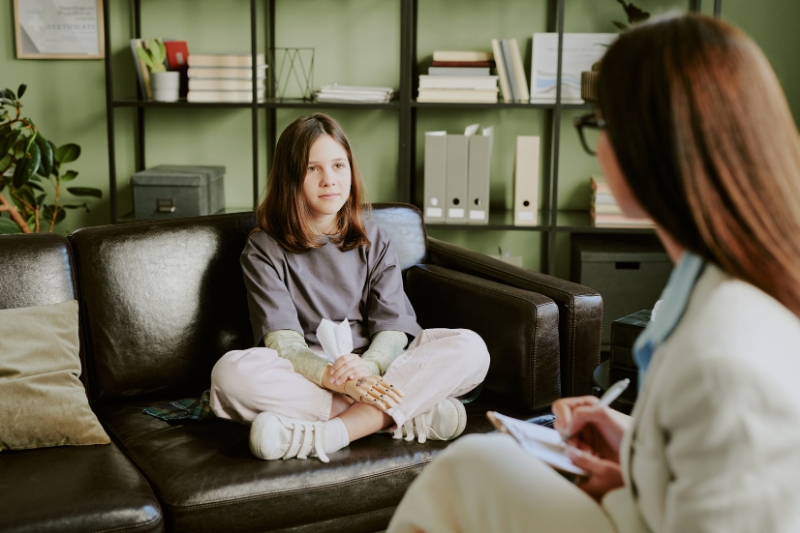
How can professionals truly understand a child’s needs without first seeing the world through their eyes? Observation is a cornerstone of social work practice, offering insights that go beyond what can be gathered from conversations or reports alone. By carefully watching a child’s interactions, expressions, and responses in different settings, social workers can uncover unspoken emotions, hidden struggles, and emerging strengths. This process not only helps in identifying developmental needs but also informs interventions that are tailored and effective. Child observation serves as a bridge between theory and reality, ensuring that support is both compassionate and grounded in evidence.
What Is Child Observation in Social Work?
Child observation in social work is the purposeful and systematic watching of a child’s behavior, interactions, and environment to gather accurate information. It involves recording what is seen without judgment or assumption, ensuring the data is factual and unbiased. It is a critical tool for understanding a child’s needs, development, and safety.
Social workers may observe during home visits, school settings, or structured activities. Attention is given to body language, communication style, peer interactions, and reactions to specific situations. These observations help identify patterns that might indicate developmental delays, emotional distress, or potential risks. Consistent and well-documented observation supports accurate assessments, effective interventions, and better long-term outcomes for the child.
The Importance of Child Observation in Social Work
#1. Understanding Child Behavior
Observation allows social workers to identify how a child responds to different situations, people, and environments. Patterns in actions, expressions, and tone reveal underlying emotions or unmet needs. Understanding a child’s behavior through observation enables professionals to interpret what the child cannot express verbally. This insight is vital for recognizing emotional distress, anxiety triggers, or signs of developmental concerns. Social workers can then distinguish between typical behavior and indicators of potential issues. Accurate behavioral understanding forms the basis for interventions that address root causes, promote emotional stability, and foster healthier coping mechanisms for the child’s overall wellbeing.
#2. Assessing Developmental Needs
Observation helps determine if a child’s cognitive, emotional, social, and physical development aligns with expected milestones. Watching interactions during play, schoolwork, or daily routines reveals strengths and possible delays. Identifying developmental needs through observation ensures timely and targeted support. Early recognition of speech issues, motor skill difficulties, or social challenges allows for referrals to specialists and creation of personalized support plans. Social workers can track growth over time and adjust strategies as the child progresses. This proactive approach prevents small concerns from becoming long-term problems, supporting the child’s capacity to thrive in both home and community environments.
#3. Building Rapport and Trust
Observation provides opportunities to connect with a child in a non-intrusive way. Social workers can gain insight without pressuring the child to speak, creating a safer emotional space. Building rapport and trust through observation strengthens communication and cooperation in later interventions. The child learns that the worker is attentive and respectful, which reduces resistance to engagement. Observing in natural environments, such as during play or casual interaction, shows genuine interest and care. This trust becomes the foundation for open dialogue, accurate disclosures, and a stronger therapeutic relationship that supports the child’s growth and emotional security over time.
#4. Identifying Strengths and Challenges
Observation reveals both positive abilities and areas of concern. A child’s creativity, problem-solving skills, and resilience can emerge in unstructured activities, while difficulties in communication, self-regulation, or social interaction may also become evident. Identifying strengths and challenges allows social workers to build balanced, realistic support plans. Focusing on strengths fosters self-esteem and motivation, while acknowledging challenges ensures they are addressed early. This approach prevents an overemphasis on deficits and creates a more holistic view of the child. Understanding both sides equips workers to design interventions that empower the child while mitigating risks and addressing developmental or emotional barriers.
#5. Informing Accurate Assessments
Observation provides first-hand, unbiased evidence that strengthens the reliability of assessments. Verbal reports from caregivers or teachers may be incomplete or influenced by personal perceptions. Direct observation ensures assessments reflect the child’s actual experiences and behavior. This method captures details others might overlook, such as subtle body language, peer interactions, or stress responses. Observed data supports informed decision-making, ensuring intervention strategies are relevant and precise. Without observation, assessments risk being based solely on second-hand information, increasing the chance of inaccuracies that could delay proper support or result in inappropriate actions affecting the child’s wellbeing and future development.
#6. Monitoring Progress and Change
Ongoing observation allows social workers to measure the impact of interventions over time. Documenting changes in behavior, emotional regulation, or social skills shows whether strategies are working. Monitoring progress through observation ensures that support remains effective and responsive to the child’s needs. This process identifies improvements to be reinforced and areas requiring adjustment. Comparing observations across different stages provides a clear timeline of growth, setbacks, and emerging needs. Consistent tracking prevents stagnation in care and ensures that the child’s development is supported dynamically, adapting to new challenges and milestones as they arise in various environments and situations.
#7. Enhancing Safety and Wellbeing
Observation can reveal risks that may not be reported, such as signs of neglect, abuse, or unsafe environments. Nonverbal cues, physical marks, and avoidance behaviors can be critical warning signs. Enhancing safety and wellbeing through observation protects children from harm and ensures timely intervention. Noticing these indicators early allows social workers to take protective actions and connect families to resources that improve the child’s environment. Observation also helps identify positive safety factors, such as supportive relationships, that can be strengthened. Maintaining vigilance through observation is essential for safeguarding the child’s physical and emotional security in any setting.
#8. Supporting Family Dynamics Understanding
Observation of a child within the family setting provides insight into relationships, communication styles, and parenting approaches. Interactions between siblings, caregivers, and the child often reveal unspoken emotional patterns. Understanding family dynamics through observation enables social workers to address systemic issues affecting the child. These insights help identify strengths in family functioning, such as cooperation or warmth, and challenges, like conflict or inconsistent discipline. With this knowledge, interventions can target both the child’s needs and the family’s overall capacity for support. This approach strengthens the home environment, making it more conducive to the child’s healthy development.
#9. Cultural Sensitivity and Contextual Insight
Observation allows social workers to understand how cultural norms and values influence a child’s behavior and development. Daily routines, traditions, and communication styles often reflect deep-rooted cultural beliefs. Recognizing cultural and contextual factors through observation ensures interventions are respectful and relevant. This awareness prevents misinterpretation of behaviors that may be typical within a cultural framework but appear unusual in another context. Social workers can then adapt strategies to honor cultural identity while supporting the child’s needs. Such culturally informed practice fosters trust with families and promotes solutions that align with both professional standards and cultural values.
#10. Guiding Tailored Interventions
Observation provides the detailed information needed to create individualized support strategies. Every child has unique abilities, challenges, and environmental influences. Guiding tailored interventions through observation maximizes the effectiveness of support plans. Observed behaviors inform decisions on the type, intensity, and delivery of interventions. For example, a child showing social anxiety in group activities may benefit from gradual, one-on-one exposure before joining larger settings. This approach ensures that interventions are practical, relevant, and achievable for the child’s specific situation. Personalized strategies increase the likelihood of positive outcomes, promoting sustained growth and resilience in both personal and social contexts.
Closing Thoughts
Child observation is a vital practice in social work that provides accurate, firsthand insights into a child’s life. It captures details that conversations alone may miss, allowing for a deeper understanding of behavior, needs, and strengths. Careful observation supports targeted interventions, fosters trust, and ensures that the child’s safety and wellbeing are prioritized. When applied consistently and thoughtfully, it becomes a powerful tool for promoting positive outcomes. Through this approach, social workers can make informed decisions that not only address immediate concerns but also contribute to a child’s long-term growth, resilience, and overall development.