
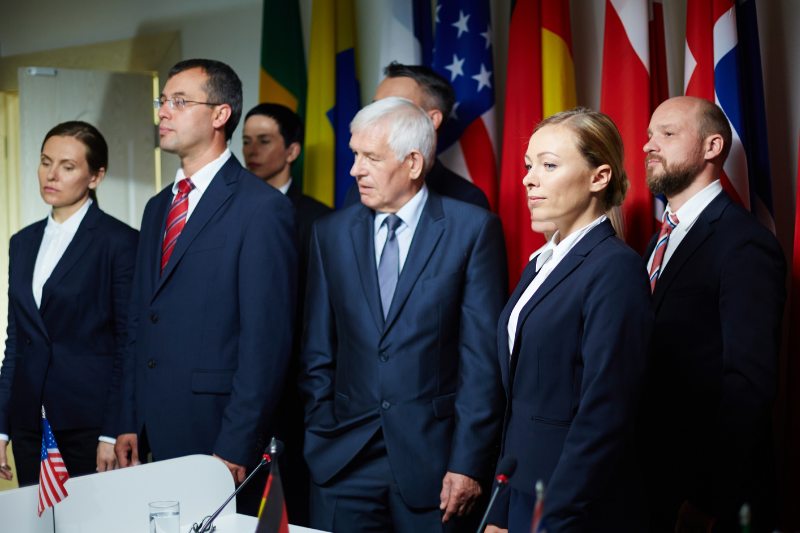
What drives social workers to step into the political arena and fight for systemic change rather than limiting their efforts to individual cases? Political social workers combine the values of social justice with the tools of policy, advocacy, and community action to create lasting impact at both local and national levels. They not only address immediate social issues but also work to transform the structures that perpetuate inequality and injustice. Their efforts bridge the gap between grassroots concerns and legislative action, ensuring that marginalized voices are heard and included in decision-making processes that shape society.
Defining Political Social Work
Political social work is the practice of applying social work principles to influence governance, policy, and civic life. It moves beyond traditional casework by addressing systemic barriers that affect vulnerable populations. Practitioners engage with lawmakers, government agencies, and communities to ensure that policies promote fairness, equity, and social justice. A political social worker uses professional skills to connect individual struggles with broader policy reforms.
This field requires knowledge of social policy, community organizing, and political processes. Political social workers advocate for legislative changes, promote civic participation, and ensure marginalized groups are represented in decision-making spaces. Their work bridges professional social work practice with political activism, creating sustainable solutions that extend beyond temporary relief.
The Role and Responsibilities of a Political Social Worker
#1. Advocacy and Policy Influence
Political social workers advocate for policies that reduce inequality and protect vulnerable populations. They analyze proposed legislation, prepare policy briefs, and present evidence to decision-makers. Their core responsibility is to ensure that laws and policies reflect the needs of marginalized groups. They work with coalitions to push reforms on issues like healthcare, housing, and labor rights. Political social workers also testify at hearings, advise lawmakers, and draft proposals. Their role demands persistence, as policy influence often involves long-term engagement with political structures resistant to change.
#2. Community Mobilization and Empowerment
Political social workers organize communities to strengthen civic participation and collective action. They create opportunities for residents to voice concerns and take ownership of solutions. Their main responsibility is to empower communities to advocate for themselves. They facilitate training sessions, build leadership capacity, and foster local coalitions. Mobilization extends beyond protests to sustained initiatives that pressure institutions to address social inequities. Political social workers also connect community efforts with broader policy campaigns, ensuring grassroots voices shape political agendas. This role sustains long-term empowerment rather than temporary engagement.
#3. Research and Analysis
Political social workers conduct rigorous research to support advocacy and inform public policy. They gather data on social issues, analyze trends, and present findings in accessible formats for decision-makers and the public. Their critical task is to provide evidence that drives policy change. They evaluate the impact of current laws and identify gaps that perpetuate inequality. Research also includes assessing community needs and predicting long-term outcomes of proposed policies. This responsibility requires strong analytical skills, ethical data use, and the ability to translate complex findings into persuasive arguments for reform.
#4. Education and Awareness
Political social workers educate communities and policymakers about pressing social issues. They design workshops, campaigns, and public forums that make complex policies understandable. Their central role is to raise awareness that motivates informed civic action. Education efforts challenge misinformation and encourage dialogue between marginalized groups and political leaders. They also train future leaders, fostering civic literacy and critical thinking. Through targeted outreach, political social workers ensure that communities understand their rights and options. This responsibility builds long-term civic engagement and creates an informed base for sustained advocacy.
#5. Direct Social Services
Political social workers integrate direct service delivery with systemic advocacy. They provide counseling, crisis intervention, and resource referrals while linking individual cases to policy gaps. Their unique responsibility is addressing immediate needs while pushing for structural change. For example, they might assist families facing eviction while simultaneously campaigning for affordable housing legislation. This dual approach ensures individuals receive necessary support without losing sight of systemic reforms. Direct services keep practitioners grounded in community realities and provide firsthand evidence that strengthens advocacy efforts at policy levels.
#6. Ethical Leadership and Professionalism
Political social workers uphold ethical principles while navigating contentious political environments. They model integrity, accountability, and transparency in advocacy and decision-making. Their primary responsibility is to lead with ethics while advancing political goals. This means balancing professional obligations with advocacy demands, avoiding manipulation, and respecting diverse perspectives. They confront moral dilemmas when policy positions conflict with professional values, requiring careful reflection and guidance from ethical standards. Their leadership helps maintain public trust and strengthens credibility, ensuring that social work influence in politics remains principled and sustainable.
#7. Collaboration and Networking
Political social workers build alliances across sectors to amplify impact. They collaborate with nonprofit organizations, advocacy groups, policymakers, and community leaders. Their essential responsibility is creating networks that drive collective change. Collaboration allows diverse stakeholders to share resources, expertise, and influence. Political social workers often serve as bridges between grassroots activists and institutional decision-makers. They organize coalitions, maintain professional relationships, and negotiate common goals. This responsibility requires strong communication and conflict resolution skills, as effective networking depends on trust and shared commitment to advancing equity-focused reforms.
Areas Where Political Social Workers Make the Biggest Impact
#1. Social Justice and Human Rights
Political social workers challenge systems that deny people their basic rights. They confront discrimination, advocate for equal treatment, and hold institutions accountable. Their main impact lies in advancing fairness and protecting human dignity. They push for legislation against racial profiling, gender discrimination, and exploitation. They also partner with human rights groups to monitor violations and propose reforms. Their efforts amplify the voices of marginalized populations in political debates. Social justice work requires persistence and courage, as entrenched inequalities often resist reform, yet their presence ensures accountability and meaningful progress.
#2. Public Policy Development
Political social workers contribute to creating laws and regulations that address systemic inequalities. They draft proposals, provide evidence-based recommendations, and influence policy debates. Their biggest impact comes from shaping policies that reflect marginalized voices. They consult with stakeholders, organize policy roundtables, and guide lawmakers in adopting inclusive measures. Their role ensures that policy discussions integrate both community needs and professional insights. They also review the effectiveness of existing laws, identifying gaps and suggesting revisions. In this way, political social workers become critical actors in building policies that promote justice and equity.
#3. Community Organizing and Advocacy
Political social workers mobilize communities to demand systemic change. They train local leaders, coordinate campaigns, and strengthen grassroots movements. Their primary impact is empowering people to collectively advocate for their rights. They build coalitions that pressure institutions to act on issues like housing, healthcare, and education. They also create sustainable advocacy strategies that continue beyond one event or protest. Through community empowerment, political social workers ensure that marginalized populations influence political agendas. Their efforts lead to long-term civic participation, where communities transition from passive recipients of policy to active shapers of reform.
#4. Electoral and Political Participation
Political social workers encourage civic engagement through voting, campaigning, and public service. They register voters, train candidates, and promote fair representation. Their core impact is increasing political participation among underrepresented groups. They work with disenfranchised populations to restore voting rights and educate citizens about electoral processes. They also help communities understand how policies affect daily lives, motivating political action. Guiding individuals into decision-making spaces reduces political apathy. Their efforts ensure diverse voices enter public office, resulting in policies that reflect the realities of those historically excluded from governance.
#5. Poverty Alleviation and Economic Equality
Political social workers address poverty through systemic reforms that improve access to resources. They push for living wages, affordable housing, and job opportunities. Their major impact is promoting policies that reduce economic disparities. They challenge unfair labor practices and advocate for benefits like unemployment support and childcare assistance. Their work ensures that anti-poverty strategies move beyond short-term aid to structural change. They partner with labor unions, community groups, and legislators to address economic inequality at multiple levels. Through this role, they help create a fairer society where all individuals can achieve financial security.
#6. Healthcare Access and Reform
Political social workers fight for equitable healthcare policies. They advocate for affordable services, expanded insurance coverage, and culturally competent care. Their significant impact is ensuring healthcare systems serve marginalized populations. They gather community input on healthcare challenges and present findings to lawmakers. They also push for mental health integration, addressing both physical and psychological needs. Their work often involves challenging powerful stakeholders like pharmaceutical companies or insurance providers. Linking individual health struggles to systemic reforms helps create healthcare structures that are more inclusive, accessible, and sustainable for everyone.
#7. Education Equity and Reform
Political social workers push for fair access to quality education. They advocate for funding in underserved schools, inclusive curricula, and equal opportunities. Their main impact is dismantling barriers that limit educational success. They address issues like overcrowded classrooms, discriminatory policies, and lack of resources. They also promote supportive services such as counseling, nutrition programs, and special education. Political social workers collaborate with educators, parents, and policymakers to ensure reforms benefit all students. Their efforts create pathways where education becomes a tool for equity rather than a driver of inequality, particularly for marginalized groups.
#8. Environmental Justice
Political social workers advocate for policies that protect communities from environmental harm. They highlight how marginalized groups often face greater exposure to pollution and climate risks. Their most critical impact is linking social justice to environmental policy. They campaign for clean water, safe housing, and sustainable energy. They also ensure vulnerable populations have a voice in climate discussions. Environmental justice requires building coalitions with activists, scientists, and policymakers to create sustainable reforms. Political social workers make sure environmental policies do not ignore the communities most affected, creating fairer and healthier living conditions.
#9. Criminal Justice and Legal Reform
Political social workers fight to reform systems that perpetuate inequality within policing, courts, and prisons. They challenge discriminatory sentencing, advocate for alternatives to incarceration, and promote restorative justice. Their core impact is creating a more just and equitable criminal justice system. They support legislation that reduces mass incarceration and protects the rights of offenders. They also advocate for rehabilitation programs, focusing on reintegration rather than punishment. Their role ensures justice systems uphold fairness and dignity. Through persistent advocacy, they push for long-term systemic transformation.
#10. Refugee and Immigration Support
Political social workers play a crucial role in protecting the rights of refugees and immigrants. They advocate for humane policies, fair asylum processes, and protection from exploitation. Their key impact is ensuring immigrants have access to justice and essential services. They work with policymakers to improve resettlement programs, expand legal protections, and support integration initiatives. They also help communities understand immigrant challenges to reduce stigma and discrimination. This role requires balancing immediate service needs with systemic advocacy, ensuring that immigration policies reflect compassion, fairness, and respect for human dignity.
#11. Gender Equality and Women’s Rights
Political social workers advocate for laws and programs that eliminate gender discrimination. They promote equal pay, reproductive rights, and protections against violence. Their central impact is advancing policies that ensure women’s rights are upheld in every sector. They collaborate with advocacy groups to challenge discriminatory practices and expand opportunities for women in leadership. They also address systemic barriers that limit access to education, healthcare, and employment. Through policy influence and community action, political social workers help create societies where women and gender-diverse individuals are treated equitably and given equal opportunities to thrive.
#12. Child and Family Welfare
Political social workers strengthen policies that safeguard children and support families. They advocate for affordable childcare, child protection laws, and family-centered programs. Their main impact is ensuring systems protect children’s rights and strengthen family stability. They push for foster care reforms, adoption support, and prevention of child abuse. They also address the structural causes of family crises, such as poverty and lack of housing. Collaboration with schools, healthcare providers, and government agencies ensures holistic support. Their work ensures that family policies prioritize child safety and healthy development while empowering families to overcome systemic challenges.
#13. Labor Rights and Workplace Issues
Political social workers support policies that protect workers from exploitation and unsafe conditions. They advocate for living wages, benefits, and fair labor practices. Their key impact is strengthening labor rights to promote economic justice. They collaborate with unions, campaign for workplace protections, and highlight issues such as wage theft and discrimination. They also support policies ensuring job security and protections for marginalized workers. Their involvement links worker struggles to broader economic reforms, ensuring that employment systems are just and inclusive. This advocacy empowers workers while holding corporations and governments accountable for fair practices.
#14. Mental Health Policy and Services
Political social workers advocate for mental health parity in healthcare and stronger support systems. They push for funding, awareness, and access to quality services. Their most significant impact is ensuring mental health care becomes accessible and destigmatized. They support reforms integrating mental health into primary care, reducing barriers such as cost and stigma. They also advocate for expanded community-based services, crisis response programs, and school-based mental health resources. Their work highlights the connection between mental health and broader social issues, ensuring policies address psychological well-being alongside physical health care.
#15. Disaster Response and Recovery Planning
Political social workers influence policies that prepare communities for disasters and ensure equitable recovery. They advocate for resources, safety nets, and community-driven disaster planning. Their core impact is ensuring disaster policies prioritize vulnerable populations during crises. They work to include marginalized voices in recovery plans, ensuring fair distribution of aid. They also push for long-term rebuilding strategies that reduce future risks. Political social workers collaborate with emergency agencies, nonprofits, and governments to integrate social equity into disaster response. Their role ensures resilience planning protects the most affected communities while promoting inclusive recovery.
Common Challenges Faced by Political Social Workers
#1. Navigating Political Resistance and Bureaucracy
Political social workers frequently encounter entrenched political systems and bureaucratic hurdles. They face resistance from policymakers who prioritize other agendas or resist change. Their main challenge is overcoming institutional inertia to advance reforms. They must strategize, negotiate, and persist to move initiatives forward despite delays and opposition. Understanding complex regulations and leveraging relationships becomes essential. Political social workers also need patience and resilience as progress often comes slowly. Successfully navigating these obstacles requires combining professional knowledge with political acumen, ensuring that advocacy efforts translate into tangible policy outcomes for communities.
#2. Balancing Advocacy with Professional Ethics
Political social workers must maintain ethical standards while engaging in activism. They face pressure to compromise values or overstep professional boundaries. Their central challenge is advocating effectively without violating ethical responsibilities. Decisions involve weighing competing interests, respecting confidentiality, and avoiding conflicts of interest. Ethical dilemmas arise when advocacy strategies clash with professional codes or client needs. Practitioners must continuously reflect, seek supervision, and adhere to professional guidelines. Balancing these factors ensures credibility, preserves trust, and safeguards both clients and communities while pursuing social justice through political avenues.
#3. Limited Resources and Funding Constraints
Political social workers often operate under restricted budgets and scarce resources. Funding limitations affect program implementation, community outreach, and research initiatives. Their primary challenge is achieving meaningful impact despite financial constraints. They must prioritize initiatives, seek alternative funding, and leverage partnerships to maximize results. Limited resources also require creative solutions and efficient allocation to meet both immediate needs and long-term goals. Political social workers advocate for increased funding while ensuring transparency and accountability. Resource scarcity demands strategic planning, innovation, and resilience to continue advancing social justice in resource-limited environments.
#4. Dealing with Community Distrust and Apathy
Political social workers encounter communities skeptical of advocacy or disengaged from civic processes. Historical neglect, broken promises, or systemic marginalization often fuels distrust. Their main challenge is rebuilding trust and encouraging active participation. Practitioners must demonstrate transparency, consistency, and responsiveness to community needs. Engagement strategies include listening sessions, collaborative planning, and visible action on pressing concerns. Overcoming apathy requires patience and sustained effort. Political social workers bridge gaps between communities and institutions, showing that advocacy leads to tangible improvements and that civic participation can generate real, measurable change for those who feel overlooked or excluded.
#5. Managing Risks of Personal and Professional Burnout
Political social workers face emotional, physical, and cognitive stress due to high demands and political pressure. Exposure to trauma, persistent systemic injustice, and long hours contribute to burnout. Their critical challenge is maintaining personal well-being while fulfilling professional responsibilities. They must implement self-care strategies, seek peer support, and set boundaries without compromising advocacy efforts. Sustaining motivation and effectiveness requires balancing work intensity with rest and reflection. Organizations also play a role in providing supervision, resources, and support structures. Preventing burnout ensures practitioners remain resilient, ethical, and capable of driving meaningful social and political change.
#6. Overcoming Cultural and Social Barriers
Political social workers operate in diverse environments with varying cultural norms, beliefs, and practices. Misunderstandings, biases, or language barriers can hinder engagement and advocacy. Their key challenge is navigating cultural complexities to ensure inclusive, effective interventions. They must cultivate cultural competence, adapt strategies, and respect local values while promoting social justice. This includes understanding historical contexts, power dynamics, and community priorities. Political social workers build trust and foster dialogue that bridges differences. Addressing cultural barriers enhances program effectiveness, strengthens community relationships, and ensures that policies and interventions resonate with and benefit all stakeholders.
#7. Addressing Conflicting Interests Among Stakeholders
Political social workers manage situations where multiple parties have competing priorities or agendas. Policymakers, community members, nonprofits, and funders often hold divergent goals. Their primary challenge is negotiating solutions that advance social justice while balancing conflicting interests. They must employ diplomacy, communication, and strategic planning to align objectives without compromising values. Managing these dynamics requires conflict resolution skills, transparency, and patience. Political social workers facilitate collaboration, identify common ground, and advocate for equitable outcomes. Successful navigation ensures that initiatives progress despite disagreements, creating sustainable impact for communities and stakeholders alike.
Conclusion
Political social workers play a vital role in bridging the gap between social needs and political action. Their work shapes policies, empowers communities, and protects the rights of marginalized populations. Challenges such as limited resources, bureaucratic resistance, and cultural barriers test their resilience and creativity. Despite these obstacles, their commitment to ethical advocacy and systemic change drives meaningful progress. Political social workers ensure that social justice principles inform governance, healthcare, education, and disaster response. Their impact resonates in both immediate interventions and long-term reforms, creating stronger, more equitable communities that reflect the voices and needs of all citizens.